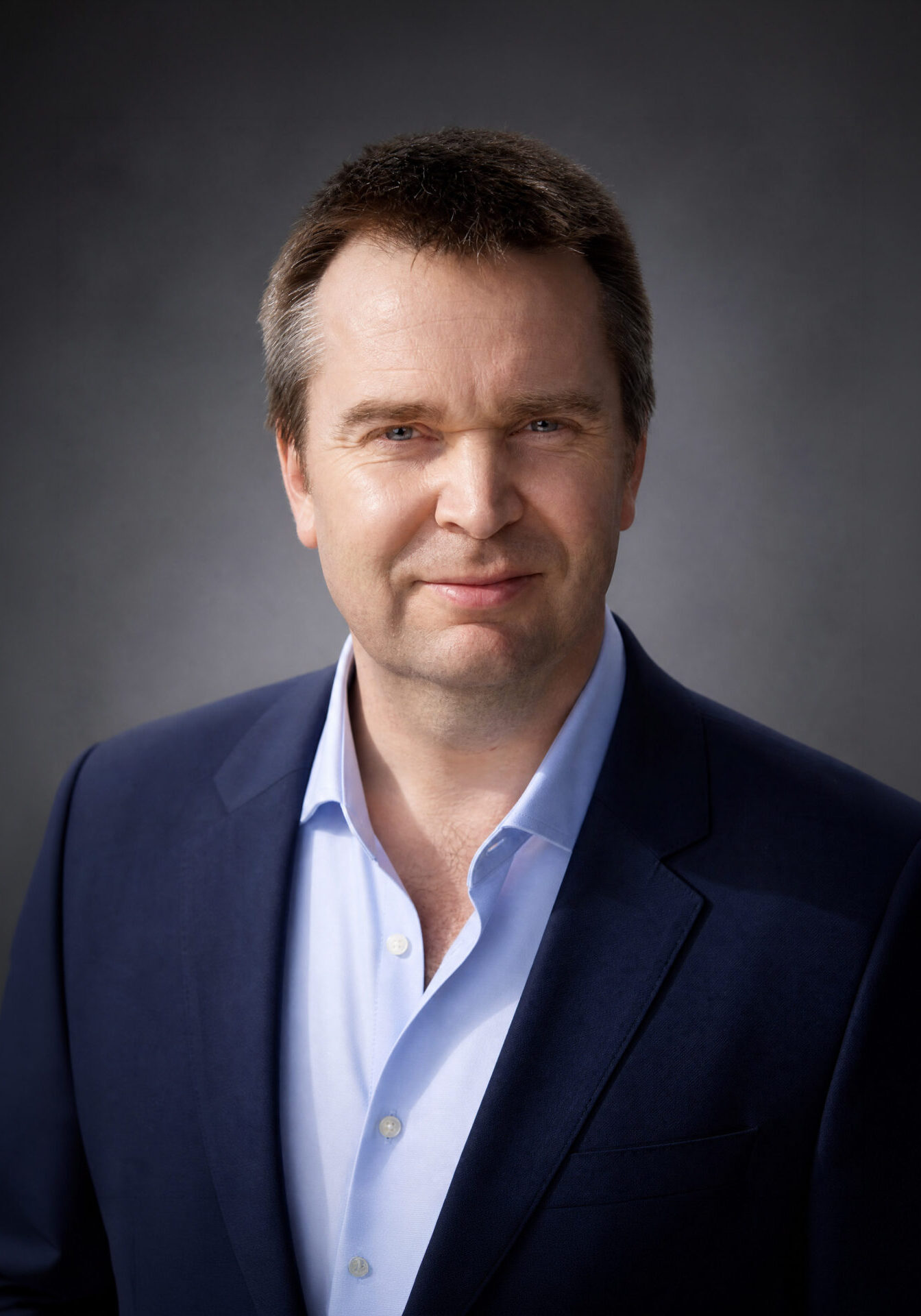
Dr James Barry
MB BChir, FRCP
Consultant Cardiologist and Electrophysiologist
Dr James Barry is a Consultant Cardiologist and Electrophysiologist at HMT Sancta Maria Hospital in Swansea, specialising in heart rhythm problems. He is based at the Regional Cardiac Centre at Morriston Hospital, which provides tertiary cardiac services to a population of a million people, and has been a consultant since 2009. He is a Fellow of the Royal College of Physicians and trained at Papworth and the Royal Brompton, two of the UK’s leading cardiac centres.
Heart rhythm problems are unsettling in a way other symptoms are not. A heart that races for no reason, skips, or occasionally stops you in your tracks is hard to ignore and hard to describe, and it often behaves perfectly during the one appointment where somebody is looking. Getting it captured and identified is the whole of the job, because once you know which rhythm it is, the treatment is usually clear and frequently very effective.
About Dr Barry
Dr Barry qualified in medicine from the University of Cambridge in 1997 and stayed to undertake junior doctor posts at Addenbrooke’s Hospital. He pursued his interest in cardiology at Papworth Hospital and the Royal Brompton Hospital, two of the country’s leading specialist cardiac centres, before undertaking specialty training in the Severn Deanery, centred on the Bristol Royal Infirmary.
On completing his CCT in cardiology he spent a year as a fellow at Southampton University, developing clinical expertise in invasive cardiac rhythm management, meaning catheter ablation, and in device implantation. He was appointed as a consultant in 2009.
He is a heart rhythm specialist at the Regional Cardiac Centre at Morriston Hospital, which provides tertiary cardiac services for a population of a million people across South West Wales. During his time in post he has overseen the development of the cardiac rhythm management service there into the largest centre in Wales, with a dedicated arrhythmia lab and pacing room.
His practice covers the investigation of palpitations, blackouts and dizzy spells, assessment of the risk of sudden cardiac death in high risk groups, the management of atrial fibrillation and the stroke risk that comes with it, implantation of pacemakers, implantable cardioverter defibrillators and biventricular pacemakers for heart failure, and catheter ablation for arrhythmias that can be treated that way.
He is a Fellow of the Royal College of Physicians of London and has published in the arrhythmia and electrophysiology literature.
He lives in Cardiff with his family and enjoys cycling and reading.
Areas of expertise
Palpitations and arrhythmia
- Palpitations
- Atrial fibrillation
- Atrial flutter
- Supraventricular tachycardia (SVT)
- Ventricular arrhythmias
- Ectopic beats
- Slow heart rate (bradycardia)
- Arrhythmia diagnosis and monitoring
Blackouts and dizziness
- Syncope (blackouts and fainting)
- Unexplained collapse
- Dizzy spells
- Assessment of driving fitness after a blackout
Atrial fibrillation and stroke risk
- Atrial fibrillation diagnosis and management
- Stroke risk assessment in AF
- Anticoagulation decisions
- Rate and rhythm control
- Cardioversion
Sudden cardiac death risk
- Assessment of risk of sudden cardiac death in high-risk groups
- Family history of sudden cardiac death
- Inherited arrhythmia assessment
Cardiac devices
- Pacemaker assessment, implantation and follow-up
- Implantable cardioverter defibrillator (ICD) assessment and follow-up
- Biventricular pacemakers for heart failure (cardiac resynchronisation therapy)
- Device troubleshooting and review
Catheter ablation
- Catheter ablation for treatable arrhythmias
- Assessment of suitability for ablation
General cardiology
- Chest pain assessment
- High blood pressure
- Heart failure
- Heart murmurs
- Cardiovascular risk assessment
Specialties:
Cardiology