Varicose Vein Treatments
Varicose veins are a common problem and can lead to complications if left untreated. Support stockings can help to control symptoms but will not remove the varicose veins.
Varicose veins are enlarged and twisted veins in your leg.
Varicose veins tend to run in families and are made worse by pregnancy and if you do a lot of standing.
Both legs contain a system of deep veins, which are buried within the muscles of your leg, and a system of superficial veins which run just underneath your skin.
Sometimes weaknesses in the walls of the superficial veins cause them to enlarge.
The result is a build-up of pressure in the veins, which bulge out as varicose veins.
Varicose veins treatments can improve symptoms of heaviness, aching, swelling, and, the appearance of the legs.
At the Sancta Maria Hospital we ensure that you are assessed thoroughly and offer treatments as recommended by National Institute for Health and Care Excellence (NICE). These include the following modern varicose veins treatments:
- Endothermal ablation (local anaesthetic treatment using a special heater probe to seal the vein)
- Ultrasound guided foam sclerotherapy (an injection treatment in the consulting room)
- Open surgery (also known as ligation and stripping – this is an infrequently used option)
Support stockings can also often help the symptoms caused by varicose veins and reduce the risk of complications.
Foam sclerotherapy treatment for varicose veins, if advised following consultation, is the easiest and most convenient option for many patients. This is performed in the consulting room as a walk-in walk-out treatment and allows a rapid return to normal activities.
Foam sclerotherapy involves an injection of a chemical formula (Fibrovein) mixed with air to make a foam. This is injected under ultrasound guidance to seal the problematic, affected veins. It is an almost painless procedure, with a small pricking sensation from needle insertion, followed by a mild stinging sensation from the distribution of the foam.
Following foam sclerotherapy treatment compression hosiery must be worn for one week continuously, and daytime thereafter for a further one or two weeks, as guided by your Consultant.
Endothermal ablation treatments use heat to seal off the underlying faulty vein feeding the varicosities. Radio-frequency ablation and endovenous laser therapy are the two main types of heat treatments used for varicose veins.
Both are performed as walk-in walk-out day case treatments, under local anaesthesia. The treatments use ultrasound to precisely guide the catheter placement. Heat from either radio-frequency or laser is then applied to collapse the affected vein.
Following either treatment compression hosiery is applied. This is worn for one week continuously and subsequently during the day for a further one to two weeks, as advised by your Consultant.
Endothermal ablation treatments have largely replaced the need for open surgery, as they offer a less painful experience with a quicker recovery to normal daily activities.
Ligation and stripping surgery is the least likely treatment option, usually only recommended in specific instances. It can however be the best option for some patients. See below for more details regarding open surgery for varicose veins.
What does the operation involve?
The operation is usually performed under a general anaesthetic but a local anaesthetic can be used. The operation usually takes 20 minutes to 3 hours.
Your surgeon may disconnect the superficial veins from the deep veins through a cut on your groin or the back of your knee. They will probably make many small cuts, called avulsions or phlebectomies, along the length of the varicose veins where the veins have been marked.
The main varicose vein (the great or small saphenous vein) may need to be ‘stripped out’ using a special instrument.
How soon will I recover?
You should be able to go home the same day or the day after.
You should be able to return to work within a few days, depending on your type of work.
As long as your wounds have healed, you should be able to carry out normal activities as soon as you are comfortable.
Regular exercise should help you to return to normal activities as soon as possible. Before you start exercising, ask the healthcare team or your GP for advice.
Most people make a full recovery.
What complications can happen?
Some complications can be serious and can even cause death.
General complications of any operation
- Pain
- Bleeding
- Infection of the surgical site (wound)
- Unsightly scarring of your skin
- Blood clot in your leg
- Blood clot in your lung
Specific complications of this operation
- Developing a lump under your wound
- Numbness or a tingling sensation
- Damage to nerves
- Continued varicose veins
- Developing thread veins
- Swelling of your leg
- Major injury to the main arteries, veins or nerves of your leg
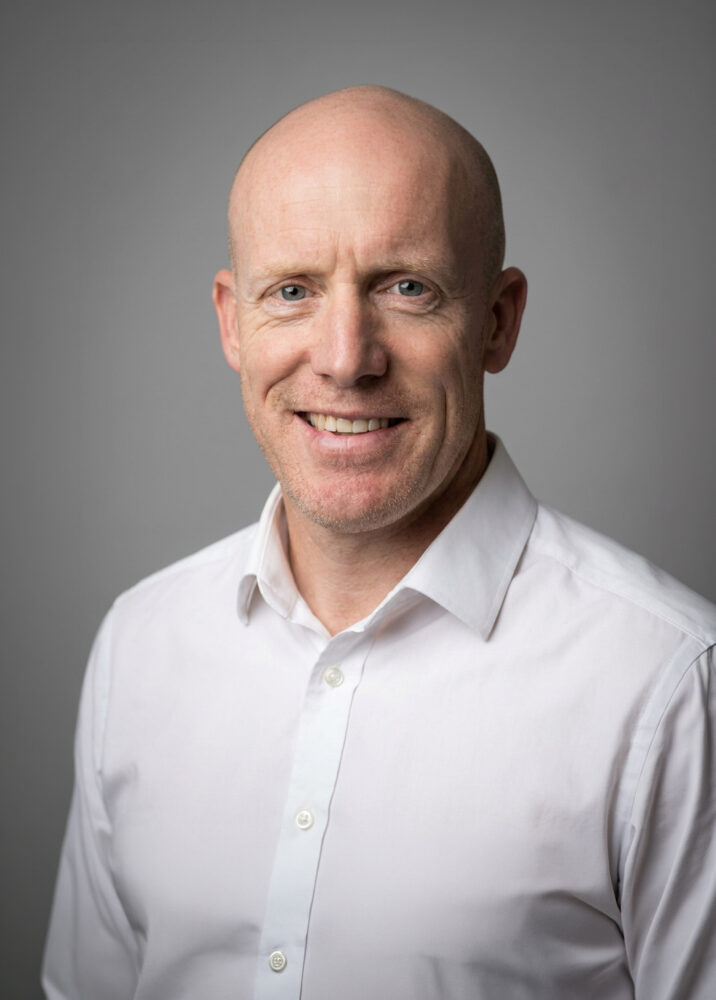
Mr Davies has a keen interest in all aspects of vascular surgery particularly the management of Peripheral Vascular Disease, Aortic Aneurysms and Varicose veins. He is also well recognised for his work in providing access for people that need dialysis and the surgery that is required for this. Learn more about his work with varicose veins here.
Mr C Davies offers microsclerotherapy treatments for thread and flare veins.
Consultants who provide this treatment
Any further questions?
We will not contact you for any other reason than to respond to the question or information you request in this form.
For information about how your personal data may be processed please see our Privacy Policy.
This document is intended for information purposes only and should not replace advice your healthcare team gives you. This information is published under license from EIDO Healthcare UK and is protected by copyright. Other than for your personal, non-commercial use, you may not copy, print, download or otherwise reproduce it.
What to do next
- Talk to us about ways to pay, either insured or self-pay, and find out if you need a referral from your doctor.
- If you need one, ask your doctor for a referral letter.
- To book an appointment with a consultant you can either call us, email us, or book online if you are self-paying for your treatment.
- Currently, not all Consultants are available for Self-Pay Online Booking. Please contact us directly if you do not see the consultant/service you are looking for and would like to make a booking.
Cancellation Policy
Funding your treatment

Find out more about getting started with private health insurance.

Find out more about our self-pay options.
Find out more about financing your treatment.